
Skip links

Guides

How to Protect Your IP on TikTok: A Complete Guide

Get In Touch

651-256-9480

Table of Contents

Your Guide to the TikTok Intellectual Property Protection Center

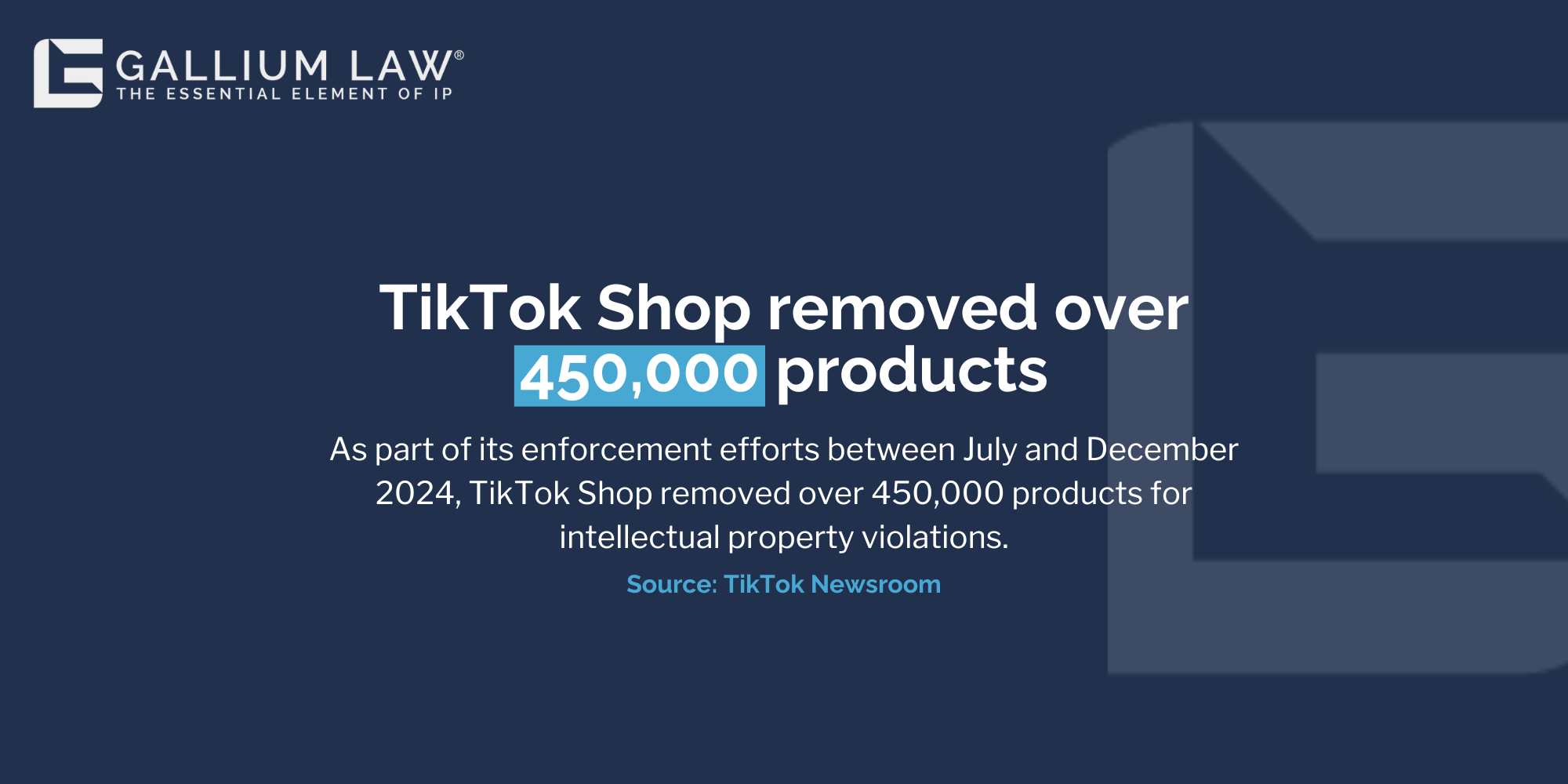
In today’s digital economy, social commerce is booming. The TikTok Shop has emerged as a major marketplace where sellers reach millions of consumers through short‑form video content, live shopping events, and social engagement. TikTok has over 1.9 billion active monthly users and is continuing to grow. As this platform rapidly grows, so does the risk of intellectual property infringement on the TikTok Shop. Counterfeit products that infringe patent rights, unauthorized use of trademarks and copyrighted content, and seller disputes over IP rights have become real concerns for brands and inventors on the TikTok platform.

To address this challenge, TikTok launched the TikTok Intellectual Property Protection Center (IPPC) — a centralized portal that empowers intellectual property (IP) rights owners to register and protect their patents, trademarks, copyrights, and other IP assets for enforcement on the TikTok Shop platform. This guide explains exactly what the TikTok IPPC is, how it works, and when you might need legal support from Gallium Law to navigate the process effectively and protect your brand and IP.

What is the TikTok Intellectual Property Protection Center?

The TikTok Intellectual Property Protection Center, often abbreviated as IPPC, is a tool provided by TikTok for intellectual property rights owners to manage and protect their IP on the TikTok Shop marketplace. IP rights holders can use the IPPC platform to:

  • Upload and verify their IP documents.
  • Search TikTok Shop listings, videos, and livestreams for potential infringement.
  • File and track infringement complaints and takedown requests.
  • Manage ongoing disputes in one centralized place.

The IPPC integrates directly with TikTok Shop’s seller ecosystem to give IP rights owners a structured, transparent process for reporting suspected violations and preventing unauthorized use of their intellectual property.

Why Use the IPPC?

The TikTok Intellectual Property Protection Center serves multiple critical functions:

Centralized IP Management

Instead of sending infringement notices by email or relying on ad hoc reporting, IP rights owners can maintain a dashboard of their registered trademarks, copyrights, and other protected works. Once assets are registered, reporting suspected infringement becomes more straightforward.

Faster Complaint Processing

With approved IP assets on file, TikTok is able to process takedown requests more efficiently, reducing the time infringing product listings remain live. Prior documentation can speed up reviews because TikTok already holds the verification details needed to confirm IP rights ownership.

Enhanced Visibility Into Reports

IPPC users can track the progress of infringement complaints, see updates on investigations, and monitor ongoing issues in one central place. This visibility is essential for brands that rely on multiple reporting campaigns or need to follow up with evidence over time.

Increased Accuracy & Compliance

Complaints submitted through the IPPC include structured forms and required fields, which help reduce the likelihood that submissions will be denied for missing information or improper documentation.

How TikTok Protects Intellectual Property

TikTok’s policies strictly prohibit the infringement of intellectual property rights on its platform, including throughout the TikTok Shop. The platform prohibits:

  • The sale of counterfeit goods or knockoffs in product listings.
  • Unauthorized use of trademarks, brand names, logos, or copyrighted content in videos, livestreams, and product photos.
  • Misleading or false representation of products or brands.

IP infringement on the TikTok Shop can include trademark violations, copyright misuse, and patent infringement where applicable. TikTok’s Intellectual Property Policy outlines a range of enforcement actions that may be taken against violators, including removal of listings, suspension of seller accounts, and more severe measures in cases of repeated abuse.

Step‑by‑Step: Using the TikTok IPPC

1. Register Your IP Assets With TikTok

To begin using the IPPC, you must first register your intellectual property assets within the platform. This typically requires uploading:

  • Trademark registration certificates.
  • Copyright registration certificates or strong documentation of ownership.
  • Supporting legal documentation confirming the rights status.

These submissions become your verified reference point for all future infringement reports. Verified assets also streamline the reporting process because TikTok does not need to re‑verify rights with each complaint.

2. Search for Potential Infringers and Infringing Product Listings

Once your IP assets are registered, you can use the IPPC’s built‑in search tools to look for:

  • Product listings that appear to use your trademark or other IP rights without authorization.
  • Videos or livestream content featuring product copies or misuse of branded content.
  • Unauthorized sellers or merchants listing knockoffs or counterfeit versions of your goods.

Actively searching within the IPPC helps brands identify unauthorized use early, before it causes damage to their reputation or sales.

3. File an IP Infringement Complaint

Once potential infringement is identified, TikTok allows rights owners to submit a formal infringement complaint through the IPPC. This complaint typically requires:

  • The URL or identifier of the infringing product or content.
  • Evidence of your rights, such as trademark or copyright registration.
  • Explanation of how the content or listing violates your IP rights.

TikTok will review the complaint and determine whether the content violates its IP policies. Complaints must be complete and accurate, because incomplete or misleading submissions may be denied or delayed. Taking the steps to ensure a proper complaint is submitted can be the difference between protecting your brand and allowing an infringer to continue selling knockoff products.

4. Monitor Your Complaint

IPPC allows IP rights owners to track the status of their complaints, from submission to resolution. This transparency provides feedback on investigations and helps brands ensure that their concerns are being addressed by TikTok’s enforcement teams.

Common Types of TikTok IP Violations

IP rights owners may encounter several types of intellectual property violations on TikTok Shop:

  • Patent Infringement – The making, using, selling, offering to sell, or importing of another party’s patented product into the U.S. – without permission.
  • Trademark Infringement – Unauthorized use of a registered trademark in product listings, product packaging, descriptions, or promotional materials.
  • Copyright Infringement – Use of another party’s original content — including photos, videos, or written descriptions — without permission.
  • Counterfeit Products – Products that imitate authentic goods and use branding or logos without authorization. TikTok considers counterfeit listings a serious violation and will remove them when confirmed.

Common Challenges When Using IPPC

Although the TikTok IP Protection Center enables structured IP enforcement, rights owners may face several challenges:

  • Document Requirements – TikTok may require detailed documentation to prove ownership. Uploading only basic or incomplete documentation can delay processing.
  • Complex Infringement Cases – Some listings may involve mixed issues, such as borderline trademark misuse combined with ambiguous authorization from third‑party sellers. These require careful evidence and explanation.
  • Appealing Denials – If TikTok denies a complaint, rights owners may need to submit additional evidence or even pursue enforcement outside of the platform. Having an IP attorney’s support can be critical in these situations.

How Gallium Law Can Assist You In Protecting Your Brand Against Potential Infringers

The TikTok IPPC is an important tool, but it is not a legal substitute for professional support. Many rights owners and sellers encounter situations where legal counsel is essential to successfully enforce IP rights or respond to takedown actions.

Here are ways Gallium Law helps clients through the IPPC process:

IP Assessment and Strategy

Before filing a complaint, Gallium Law evaluates whether the allegedly infringing product or content truly violates your legal rights. This analysis includes:

  • Verification of ownership and jurisdictional nuances.
  • Confirmation that the rights are valid and enforceable.
  • Strategic advice on how best to present your complaint.

Having a properly framed complaint increases the chances of success and avoids unnecessary rejections or disputes.

Documentation Preparation

Incorrect or incomplete documentation is one of the leading causes of denied TikTok IPPC complaints. Gallium Law assists clients in preparing:

  • Trademark and copyright certificates.
  • Evidence of prior use or licensing.
  • Supporting legal arguments and comparisons to demonstrate infringement.

This legal support ensures that submissions are proper, thorough, and aligned with TikTok’s requirements.

Appeals and Dispute Resolution

If TikTok denies a complaint, rights owners may need to appeal or reframe their enforcement strategy. Gallium Law represents both rights holders and sellers in these scenarios, helping to:

  • Re‑submit complaints with stronger evidence.
  • Engage directly with TikTok’s compliance teams when permitted.
  • Evaluate alternative enforcement paths beyond the IPPC, such as legal takedown notices under applicable law.

Legal guidance is especially important when dealing with false or unfair infringement claims that could impact your reputation or marketplace presence.

Patent and Trademark Landscape Support

Gallium Law helps IP right owners understand the broader context in which infringement occurs. This includes:

  • Conducting trademark clearance and patent landscape searches.
  • Identifying overlapping rights or potential conflicts.
  • Advising on additional protections, such as patents that extend beyond TikTok Shop’s scope.

This support helps brands not only enforce existing rights but also avoid future infringement issues.

Best Practices for Using the TikTok IP Protection Center

To get the most out of TikTok’s IPPC while minimizing risk, consider these best practices:

  • Keep IP Documentation Updated – Ensure that your trademark and copyright registrations are up to date and include all jurisdictions where you sell products.
  • Be Thorough and Accurate – Incomplete infringement reports are more likely to be denied. Include clear URLs, evidence, and explanations of the violation.
  • Monitor Listings and Content Regularly – Proactive searching within the IPPC can help identify violations before they escalate into widespread unauthorized sales. 

Why Legal Guidance Matters for TikTok IP Protection and Why You Should Contact Gallium Law

The TikTok Intellectual Property Protection Center provides IP rights owners with powerful tools to safeguard their intellectual property on one of the world’s fastest‑growing social commerce platforms. However, the process requires careful documentation, strategy, and often legal support to achieve meaningful results. Challenges such as incomplete evidence, complex infringement cases, and appeal requirements make professional guidance invaluable. By partnering with an experienced IP attorney, such as Gallium Law, IP rights owners and sellers can increase their chances of success when using the IPPC to protect their trademarks, copyrights, and other assets.

Contact Gallium Law to discuss how we can help you navigate the TikTok IPPC and protect your brand and valuable intellectual property in an evolving digital marketplace.