
Skip links

Guides

I Won Amazon APEX as a Patent Owner: Now What?

Get In Touch

651-256-9480

Table of Contents

Congratulations! You’ve successfully navigated Amazon’s Patent Evaluation Express (APEX) program and won your case against an infringing seller. Your patented product or technology has been validated, the infringing seller has been removed from Amazon, and you’ve received your APEX ID. But your victory raises an important question: what comes next?

Winning an APEX case is just the beginning of your enforcement strategy. The decisions you make in the days and weeks following your APEX victory will significantly impact your marketplace position, revenue potential, and long-term competitive advantage. At Gallium Law, we help patent owners maximize the value of their APEX victories through strategic enforcement and licensing decisions.

This comprehensive guide explains your options after winning in the Amazon APEX and helps you develop a strategic approach to protecting your intellectual property on the world’s largest e-commerce platform.

Understanding Your APEX Victory and What It Means

When you win an Amazon APEX case, Amazon provides you with an APEX ID. This unique identifier is your silver bullet for patent enforcement on Amazon’s platform. The APEX ID confirms that Amazon’s neutral patent evaluators have determined that the accused product infringes your patent rights.

The Power of Your APEX ID

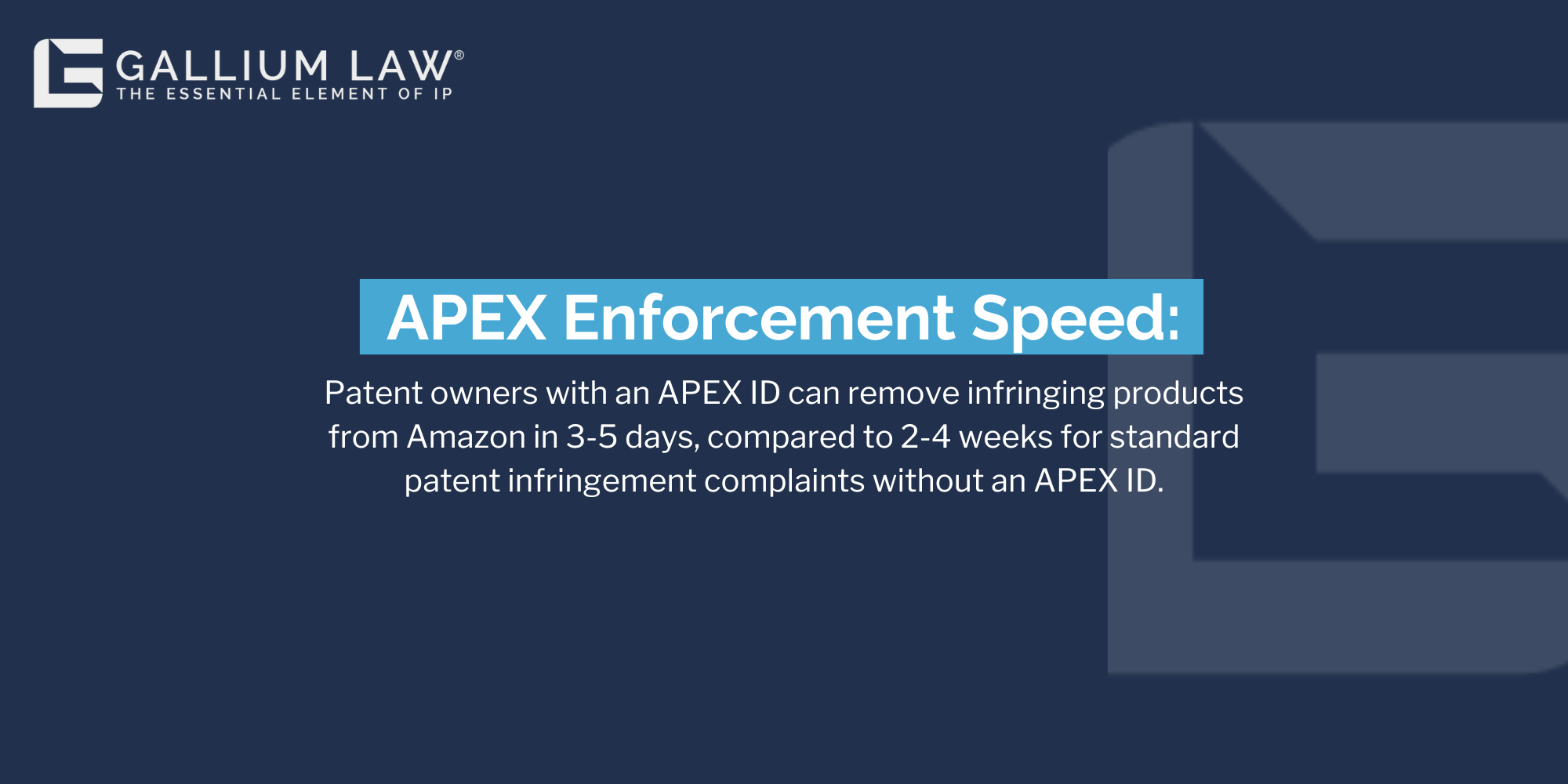
Your APEX ID fundamentally changes your enforcement capabilities on Amazon. Unlike traditional infringement complaints that can take weeks or months to resolve, citing your APEX ID allows you to take down infringing products within 3 to 5 business days. This accelerated enforcement mechanism gives patent owners unprecedented power to clear infringers from the marketplace quickly and efficiently.

However, with this power comes important strategic decisions that will shape your market position and revenue potential going forward.

The Critical First Question: License or Eliminate Competition?

The most important decision you’ll face after winning your APEX case is whether to license your patent rights or use your APEX ID to completely clear the market of competitors. This fundamental choice will drive all subsequent enforcement actions.

Option 1: Clearing the Market Completely

Some patent owners want exclusive control of their market segment. If you choose this path, you’ll use your APEX ID to systematically identify and remove all infringing sellers from Amazon. This strategy maximizes your market share and allows you to capture all sales of products covered by your patent.

Benefits of market clearing include: 

  • Complete control over pricing, branding, and customer experience, 
  • Elimination of quality concerns from inferior copies, and 
  • Maximum revenue capture from your patented innovation. 

This approach works particularly well for patent owners who manufacture their own products and have the capacity to meet market demand.

Option 2: Licensing Your Patent Rights

Alternatively, you might choose to license your patent rights to other sellers. This approach generates licensing revenue while allowing multiple sellers to offer products using your patented technology. The seller you just defeated in APEX cannot return to Amazon unless you grant them a license, giving you significant leverage in licensing negotiations.

Licensing strategies can generate substantial passive income, allow you to benefit from others’ manufacturing and distribution capabilities, and help establish your patent as an industry standard. However, licensing introduces complexity in terms of agreement negotiation, royalty collection, and quality control.

Our comprehensive guide to patent licensing vs. product removal on Amazon provides detailed analysis of these two approaches and helps you evaluate which strategy aligns with your business objectives.

Systematic Enforcement Against Other Infringers

Regardless of whether you plan to license or clear the market, your next step is identifying and taking action against other infringing sellers. Your APEX victory against one seller doesn’t automatically remove all other infringers from Amazon.

Using Your APEX ID for Rapid Enforcement

Begin by conducting thorough Amazon marketplace monitoring to identify all sellers offering products that infringe your patent. Once identified, file infringement complaints against these sellers citing your APEX ID.

The APEX ID dramatically accelerates Amazon’s response time. While standard patent infringement complaints can languish for weeks or months, complaints citing an APEX ID typically result in product removal within 3 to 5 business days, and oftentimes within 24 hours. This rapid enforcement capability allows you to systematically clear the marketplace or contact sellers about licensing opportunities.

What Happens After You File Complaints

After you file infringement complaints citing your APEX ID, sellers typically respond in one of several ways. Many sellers will contact you directly, asking what they need to do to continue selling on Amazon. This presents an opportunity to offer licensing terms if that aligns with your strategy, or inform them that they cannot continue selling products covered by your patent.

Some sellers will simply remove their products and move on to other opportunities. These sellers recognize they cannot compete against a patent owner with an APEX ID and choose not to invest in licensing or design-arounds.

A small percentage of sellers may become combative or seek legal recourse, which brings us to an important risk you need to understand.

Understanding the Federal Litigation Risk

While your APEX ID gives you powerful enforcement capabilities on Amazon, it doesn’t eliminate all risks. Patent owners who aggressively enforce their rights sometimes face federal litigation from sellers who believe they have defenses to infringement claims.

The Potential Counter-Suit Scenario

In some cases, sellers you’ve taken down may file federal lawsuits challenging your patent’s validity or arguing that their products don’t infringe. When federal litigation is filed, Amazon may allow the defendant seller to continue selling their products until the lawsuit is resolved, even though you previously removed them using your APEX ID.

This creates a complex situation. Amazon recognizes that you won the APEX proceeding, but they also recognize that federal courts have the ultimate authority to determine patent validity and infringement. During pending litigation, Amazon may reinstate sellers to avoid taking sides in an active court case.

Balancing Enforcement with Litigation Risk

This potential complication doesn’t mean you should avoid enforcement. Rather, it means you need to make strategic decisions about which sellers to pursue and how aggressively to enforce your rights. Working with experienced Amazon intellectual property counsel helps you assess these risks and develop an enforcement strategy that maximizes benefits while minimizing litigation exposure.

In many cases, offering reasonable licensing terms to legitimate sellers can reduce litigation risk while still generating revenue from your patent. The decision between aggressive enforcement and strategic licensing should consider factors like the strength of your patent, the size and sophistication of infringing sellers, and your tolerance for litigation risk and cost.

Risk of Invalidation through an Ex Parte Reexamination

Even after winning your APEX proceeding, sellers have another avenue to challenge your patent: filing an ex parte reexamination with the USPTO. This procedure allows any third party to request that the Patent Office reexamine your patent based on prior art, typically prior patents or publications that allegedly show your patent should never have been granted. For sellers who just lost an APEX dispute, ex parte reexamination is attractive because it’s cheaper than federal court litigation (e.g., ex parte reexamination typically costs $40,000-$100,000 total), and has a lower threshold for initiation (requiring only a “substantial new question of patentability”), as compared to litigation.

Developing a Comprehensive Licensing Strategy

If you decide to pursue licensing, developing a clear strategy and standardized licensing terms will be essential to managing multiple licensees effectively.

Key Licensing Agreement Components

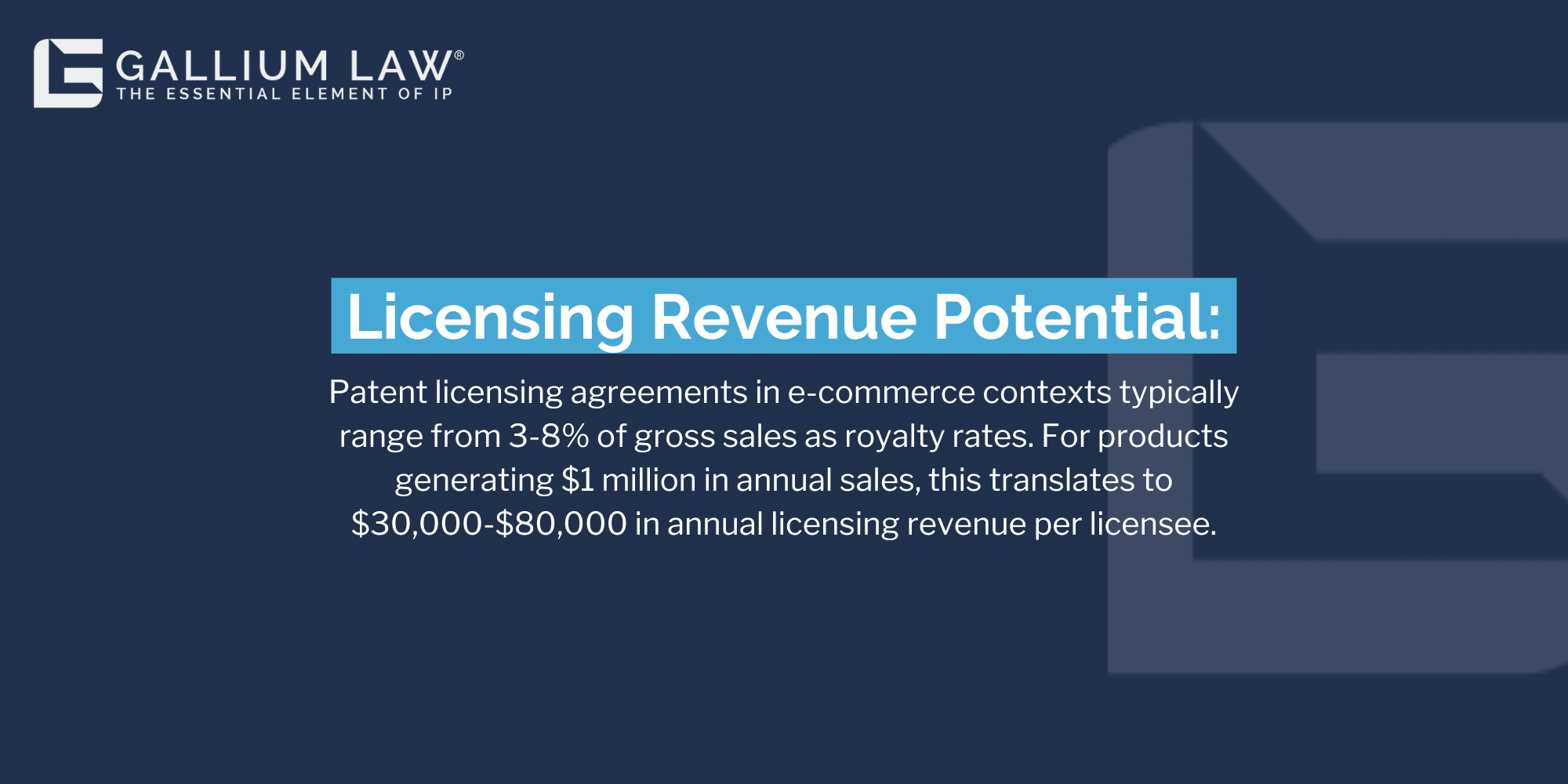
Patent licensing agreements for Amazon sellers should address several critical issues. Royalty structure determines how much and how licensees will pay, whether through per-unit royalties, flat fees, or hybrid approaches. Quality control provisions ensure licensed products meet your standards and don’t damage your brand reputation. Territory and exclusivity terms define where licensees can sell and whether they have exclusive rights in specific markets or categories.

Duration and termination clauses establish license length and conditions under which you or the licensee can end the agreement. Finally, audit rights allow you to verify sales figures and ensure proper royalty payments.

Managing Multiple Licensees

If you license to multiple sellers, you’ll need systems for tracking licensees, collecting royalties, monitoring product quality, and enforcing agreement terms. Many patent owners work with licensing and strategy specialists to handle these administrative tasks and ensure compliance.

Best Practices for Post-APEX Enforcement

Successfully leveraging your APEX victory requires systematic execution and ongoing vigilance.

Document Everything

Maintain detailed records of all enforcement actions, communications with sellers, licensing agreements, and marketplace monitoring activities. This documentation protects you if disputes arise and helps demonstrate consistent enforcement of your patent rights.

Monitor the Marketplace Continuously

New infringing sellers constantly emerge on Amazon. Implement ongoing monitoring systems to identify new infringers quickly and take action before they gain significant market traction. Early enforcement is easier and less costly than allowing infringers to establish themselves.

Be Consistent in Enforcement

Patent owners who enforce selectively or inconsistently may face challenges to their patents or licensing terms. Develop clear criteria for enforcement decisions and apply them consistently across all potential infringers.

Consider the Broader IP Landscape

Your patent rights extend beyond Amazon to other e-commerce platforms, retail channels, and direct sales. Consider how your Amazon enforcement strategy aligns with broader intellectual property protection across all channels. For companies with medical device patents or other complex technologies, coordination across multiple enforcement contexts is particularly important.

Why You Need Experienced Legal Counsel

The decisions and actions following an APEX victory have significant legal and business implications. Working with experienced patent counsel is not optional; it’s essential to maximizing the value of your APEX win while minimizing risks.

What Experienced Counsel Provides

Experienced Amazon IP attorneys help you evaluate licensing versus elimination strategies, develop standardized licensing agreements, conduct comprehensive marketplace monitoring, file enforcement complaints efficiently, respond to seller inquiries and challenges, assess and manage litigation risks, and coordinate enforcement across multiple platforms and channels.

At Gallium Law, we’ve helped numerous patent owners leverage APEX victories to build successful licensing programs and clear markets of infringing competition. Our comprehensive services include all aspects of post-APEX enforcement and licensing strategy.

Common Mistakes to Avoid After Winning APEX

Patent owners sometimes make critical mistakes after APEX victories that undermine their market position or expose them to unnecessary risks.

Delaying Enforcement Actions

Don’t wait to enforce your rights against other infringers. Every day you delay allows competitors to generate sales using your patented technology. Use your APEX ID immediately to systematically address all marketplace infringement.

Inconsistent Licensing Terms

If you license to some sellers, ensure your licensing terms are consistent and defensible. Arbitrary or discriminatory licensing practices can create legal problems and reduce the overall value of your licensing program.

Neglecting Ongoing Monitoring

Winning APEX and clearing current infringers doesn’t mean you can stop monitoring the marketplace. New sellers constantly emerge, and ongoing vigilance is essential to maintaining market control.

Doing It Alone

Attempting to manage post-APEX enforcement without experienced counsel often leads to missed opportunities, legal mistakes, and suboptimal outcomes. The complexity of patent licensing, Amazon’s policies, and potential litigation risks requires specialized expertise.

Maximizing the Value of Your APEX Victory

Your APEX win represents a significant triumph of your patent rights and creates powerful enforcement capabilities. However, the true value of your victory depends on how effectively you leverage it through strategic enforcement and licensing decisions.

Whether you choose to clear the market completely or build a licensing program, success requires careful planning, systematic execution, and experienced legal guidance. The decisions you make in the weeks following your APEX victory will shape your marketplace position and revenue potential for years to come.

At Gallium Law, we help patent owners develop and execute post-APEX strategies that maximize patent value while minimizing risks and administrative burden. Our team combines deep expertise in Amazon intellectual property enforcement with practical business experience to deliver results that matter.

Contact Gallium Law today to discuss your APEX victory and develop a comprehensive strategy for leveraging your patent rights on Amazon and beyond. Your APEX ID is a powerful tool; let us help you use it to build lasting competitive advantage and revenue growth.